Family Medicine Basics
What an Annual Physical Covers
Follow an annual physical step by step: vitals, screenings by age, vaccines and the questions worth asking before the exam ends.
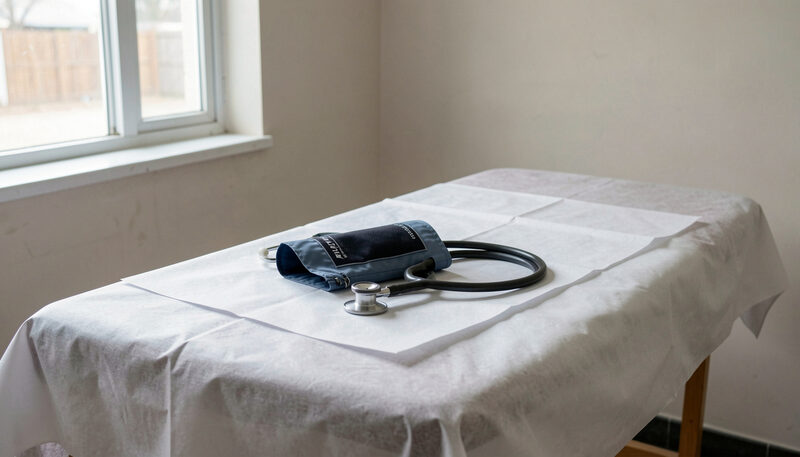
The annual physical is the one appointment entirely devoted to prevention, and knowing its shape beforehand turns it from a vague ritual into a checklist a household controls. This guide follows the exam from the waiting room to the last question: the measurements taken, the screenings discussed by age, the vaccines that often come due, and the notes worth writing before the visit ends. It describes the general pattern of preventive care in the United States and replaces no individual medical advice.
What gets measured first?
Every physical starts with the same four numbers: height, weight, blood pressure and pulse. From weight and height comes the body mass index, a rough but universal gauge that triggers a conversation when it moves out of range. Blood pressure is the quiet one that matters most, since high readings carry no symptoms and the only way they surface is a cuff. A single high reading says little, because nerves, coffee and a rushed morning all lift the number, so practices either repeat it during the visit or ask for home readings over a week. Adults who log their own pressure between visits, using the same arm and the same time of day, hand the clinician the most useful page of the whole chart, a habit introduced in the family medicine basics.
What does the clinician examine?
The exam itself is brief and systematic. The clinician listens to heart and lungs, checks the abdomen, looks at the skin, tests reflexes and balance where age calls for it, and asks about sleep, mood, energy, diet, tobacco, alcohol and physical activity. These questions are not small talk: sleep and mood answers open the door to the support described in the mental health guide, and the activity answer connects directly to the weekly walking targets in the community walking track guide. Patients who track any of this beforehand, a sleep note, a step count, a mood sketch, should bring the raw numbers rather than a summary.
Which screenings come up, and when?
The screening conversation depends on age, sex and family history, and it changes as national recommendations move. The steady anchors are worth knowing. Cholesterol checking starts in early adulthood and repeats every few years. Colorectal cancer screening now begins at age forty-five for average risk adults, per the Centers for Disease Control and Prevention. Cervical cancer screening follows a regular interval from the early twenties, breast cancer screening is discussed from the forties with timing set by age and risk, and lung cancer screening enters the conversation for adults with a heavy smoking history. Blood glucose or a fuller diabetes test joins the list as weight, age and family history suggest. The physical is the right moment to ask one direct question: which screenings am I due for this year, and which ones can wait?
Why do immunizations still matter for adults?
Vaccines are read as childhood business, yet the adult schedule is active and short. An influenza vaccine is offered every year, a tetanus booster comes due every ten years, shingles vaccination is recommended from age fifty, and pneumococcal vaccination arrives later in life or earlier with certain conditions. Younger adults also owe a whooping cough booster dose around each pregnancy in the family or simply once if never received, since infants catch that disease from the adults around them. The vaccination record brought to the first appointment, as described in the first visit guide, lets the practice fill the gaps in one visit instead of discovering them one by one.
What laboratory work usually follows?
After the exam, the clinician often orders blood work: a lipid panel for cholesterol, a glucose or a fuller metabolic panel for diabetes risk, a complete blood count, and kidney and liver markers where medication or history calls for them. The results land in the patient portal days later, and the habit that serves households is reading them rather than filing them. A short portal message asking what a number means is exactly what the messaging channel is for, as set out in the patient portal guide. Results that arrive flagged as urgent come with a telephone call, not a quiet message.
How is the day of the visit planned?
Logistics decide how much of the appointment survives contact with a working day. The visit is booked at the hour the household handles best, early morning before work or late afternoon after school, and the questions that matter most are raised first rather than saved for the end, when the room is already thinning. Fasting laboratory work is scheduled for the early slot so the morning passes without a long hungry wait. A second adult or a book for a child in the waiting room keeps the visit from feeling like a burden on everyone in it, and the drive is planned for weather, which in a coastal county is not a footnote but the plan itself.
How should the visit end?
A physical ends well when it produces three written things: the screening plan for the year, the vaccine doses given or due, and the follow-up interval, whether the next physical is in one year or sooner for a specific reason. Writing them in the portal or on paper closes the loop that makes next year's visit faster. It is also the moment to raise the billing side, since an annual preventive visit is covered differently from problem visits under most insurance, and community health center patients can ask how the sliding scale applies to any added laboratory work, a subject covered in the payment options guide.
Book the exam, fast the morning if laboratory work is ordered, bring the home blood pressure log and the vaccine list, and leave with the year's plan in writing. MedlinePlus, the consumer health library of the United States National Library of Medicine, maintains a plain language overview of health checkups and what they include for readers who want the broader background.