Mental Health and Wellbeing
A First Counseling Session
Walk into a first counseling session knowing the shape of it: intake, goals, confidentiality and how often sessions usually run.
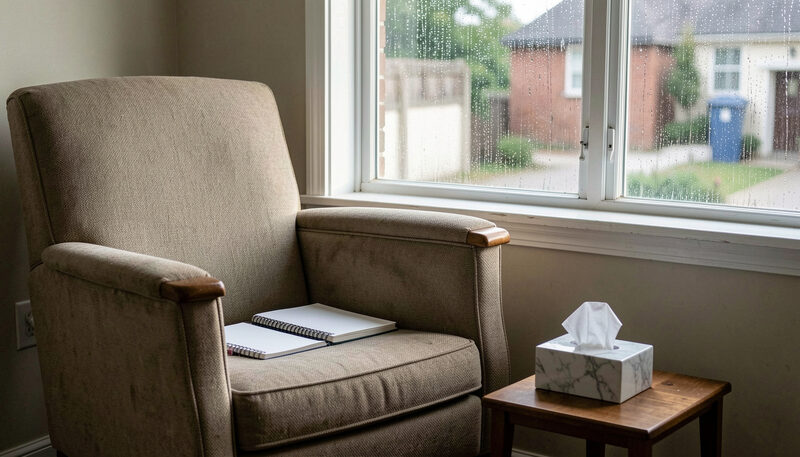
The first counseling session is the appointment people postpone longest and remember best, and almost everyone who has been through it reports the same thing: it was easier than the weeks spent deciding to book it. This guide walks through that hour as it usually unfolds in the United States: the paperwork and consent, the questions the counselor asks, the goal setting, the confidentiality rules, and the practical decisions about frequency and cost. It describes the general pattern and replaces no individual assessment.
What happens before the session?
Intake, the same as any medical appointment described in the first family practice visit. Forms ask for history, current medications, insurance and emergency contact, plus a short questionnaire about mood, sleep and anxiety that gives the counselor a baseline. Signing consent covers the limits of confidentiality, which the counselor will restate aloud. The useful preparation is a page of notes: the reasons for coming, in three plain sentences, with dates. People worry about being tongue tied in the room, and a written sentence read aloud is a perfectly respectable way to start an honest conversation. Arrival ten minutes early absorbs the forms without compressing the hour.
How does the first hour usually flow?
The structure is consistent across practices. The counselor introduces the format, restates confidentiality and its exceptions, then asks what brings the person in. The middle of the hour is history: symptoms and when they started, work, family, sleep, substances, past treatment, supports. Toward the end comes the pairing of goals, one or two concrete sentences about what better would look like, and the practical plan: session length, likely frequency, and what happens between sessions. A first session is not yet therapy proper; it is the mapmaking appointment that lets the sessions after it move. Many practices schedule around fifty minutes, and a first intake sometimes runs longer, which is worth knowing before parking meters and childcare are arranged.
What is asked, and why?
The questions in a first session can feel wide, because the counselor is mapping context, not interrogating conduct. Expect questions about mood and energy, appetite and sleep, work and money stress, relationships, alcohol and other substances, medications, and a direct question about thoughts of self harm, which is a standard screening question asked of nearly everyone and answered honestly by nearly everyone. None of it is a test with a passing grade. The counseling consumer guide published by MedlinePlus describes the main therapy types and what sessions involve for readers who want the landscape before choosing a practice.
What does confidentiality actually promise?
Nearly everything, with a short list of exceptions stated at the start. The counselor keeps the content of sessions private, sharing notes with an insurer only as billing requires and with other providers only with written permission. The exceptions are about safety: imminent risk of serious harm to self or others, and suspected abuse of a child or vulnerable adult, which the law obliges clinicians to report. Everything else, the affair, the debt, the drinking nobody knows about, stays in the room. Adolescents in many states hold this confidentiality themselves for sensitive services, a point the family guides raise at the mental health section, and a parent who respects it keeps the teenager talking.
How are goals and frequency set?
Goals come out of the conversation, and the useful ones are small and observable: sleep through three nights a week, return to the church supper, speak in the weekly meeting without rehearsing for a day. Frequency is practical: weekly at the start is common because momentum matters, moving to biweekly as tools take hold, and the counselor proposes a review point some weeks out where progress is measured against the stated goals rather than against a feeling. A household schedule that protects the appointment time, the drive, the hour, the aftermath, is part of the treatment, the same way protecting a walk protects the exercise routine a counselor may have prescribed alongside.
What does it cost, and how is that handled?
The cost conversation belongs at the desk before the first session, not in the counselor's office after the third. Community health centers apply their sliding fee scales to behavioral health, telehealth practices bill insurance as office visits, and school based counselors see students at no charge. The three billing questions worth asking, about the scale, the proof needed and the coverage of this specific service, are the same ones framed for medical visits in the payment options guide, and they work identically here. A counselor's office is also the wrong place to discover that a plan limited sessions, so the desk call covers that too.
What if the fit is wrong?
Then the household changes it, without guilt. Counseling works through a working relationship, and a first session is partly an audition in both directions: the person decides whether this is a voice they can think in front of, and the counselor refers onward when a different specialty fits better. Asking directly at the end of the first hour, whether this person is the right one for this problem, is a professional question, not a rude one, and clinicians answer it weekly. The measure of a first session is not comfort but clarity, and clarity about the wrong fit is still a successful first session, the same honest triage that makes the portal and telephone channels work in medical care.
Write three sentences, bring them, ask about cost at the desk, and let the hour be administrative rather than decisive. The rest of the work happens in the sessions that follow, one scheduled hour at a time.