Family Medicine Basics
Family Medicine Basics
How a family practice works: first visits, annual physicals, patient portals and after hours choices, explained plainly for rural households.

A family practice is the front door of health care for most rural households: one clinic where children, parents and grandparents see the same small team for checkups, infections, prescriptions and the questions that do not fit anywhere else. This section of The Tideline Journal explains how that door works. It covers the first appointment at a new practice, the annual physical, the patient portal and the choices that come up when the clinic is closed.
The guides keep to what a household can prepare, ask and record. They do not diagnose anything, and they replace no clinician. Where a number or a recommendation matters, each guide names the public source behind it, from MedlinePlus to the Centers for Disease Control and Prevention, and invites the reader to check that source directly.
What does a family practice actually do?
A family practice treats people of every age, which is its whole point. In a rural county this matters more than anywhere: the same clinician may follow a child's growth, a parent's blood pressure and an older neighbor's medication list, and that continuity is hard to rebuild once it is lost. Family medicine covers preventive care such as immunizations and screenings, common illnesses, long term conditions like diabetes and asthma, small procedures, and referrals to specialists when something needs a narrower expertise. The practice also holds the medical record that makes every later visit shorter and safer. When a family reads what a first visit involves before showing up, the record starts complete, and every visit after it builds on that base.
Why does continuity change rural care?
In a town with one clinic and a long drive to the nearest hospital, relationships carry weight that city care spreads across many doors. A clinician who has seen a household through flu seasons, pregnancies and school forms can spot a slow change, a missed screening or a pattern in family history that a stranger would need three visits to find. Continuity also saves money: fewer repeated tests, fewer emergency visits for problems a regular call could have solved. The practical version of continuity is simple. Keep the same practice when it is possible, keep a short written history of vaccines and chronic conditions, and bring it to the annual physical rather than trusting memory under a blood pressure cuff.
How do visits, calls and messages divide the work?
Not every health question needs the waiting room. Most practices now sort concerns into three channels: the scheduled visit for anything that needs hands, eyes and instruments, the telephone call for same-day questions a nurse can answer, and the patient portal for everything that can wait a business day, prescription renewals, results and plain questions. Sorting correctly gets a family faster answers, because each channel has its own queue. The guide on using a patient portal well sets out what belongs in a message, what deserves a call, and what should never wait for either, including the warning signs that call for emergency care.
What happens after hours in a rural county?
Small practices close in the evening, and illness keeps no schedule. After hours, a rural household usually chooses between an answering service that reaches an on-call clinician, a telehealth line offered by an insurer, an urgent care in the next town, and a hospital emergency department that may be forty minutes away. The right choice depends on the problem: a saw mishap or chest pain goes to the emergency department, a fever that spikes at eight in the evening may wait for the on-call advice, and a question about a rash can sit in the portal until morning. The portal guide walks through these channels in order and names the point where each stops being the right one.
What should a household track between visits?
A practice works best when the household keeps its own thin layer of records. A single notebook or a note on a phone with vaccine dates, antibiotic reactions, specialist letters and the dates of last screenings turns a fifteen minute visit into a productive one. It also protects the family when records sit in a system that talks poorly to the next one, which is still common in rural networks. Between visits, small habits matter: a weekly blood pressure reading for a hypertensive parent, a mood note for a teenager starting counseling, or the walking log described in the community walking track guide, which turns daily movement into information a clinician can actually use.
How do money questions fit the same door?
Cost is a medical fact in rural counties, not a side issue, and family practices in the community health center system answer it with sliding fee scales that adjust bills to household income. Households that understand the scale before the visit pay less and skip the surprise that keeps people away from care for years. The section on affording and finding care opens that subject fully, from proof of income to the questions worth asking at the billing window. The short version: ask about the sliding scale before the appointment, bring the paperwork that supports it, and treat the billing desk as part of the care team rather than an adversary.
Start with the guide that answers the next question on the calendar: the first visit walkthrough for a new practice, or the annual physical step by step when the appointment is already booked. MedlinePlus, the consumer health library of the United States National Library of Medicine, offers a plain starting point on understanding health topics and words used at the clinic for anything a guide here does not cover.
Family Medicine Basics
Your First Visit
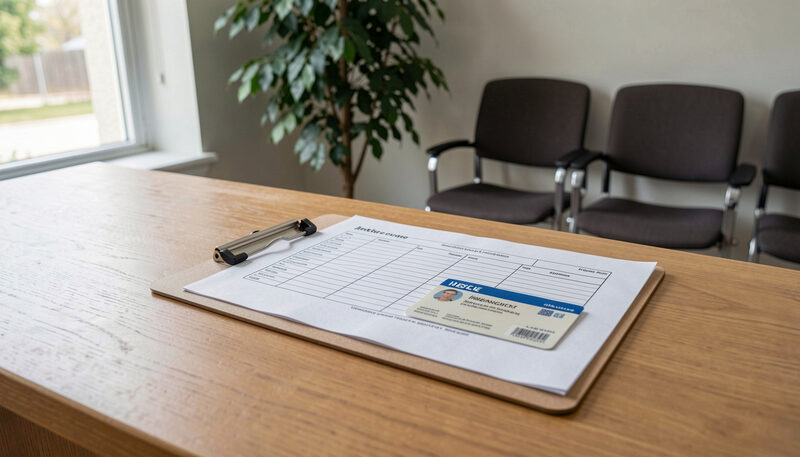
Prepare a first appointment at a family practice: papers to bring, insurance questions, intake forms and what happens during the visit.
Papers, history, three questions: the visit that starts a chart.
Family Medicine Basics
What an Annual Physical Covers
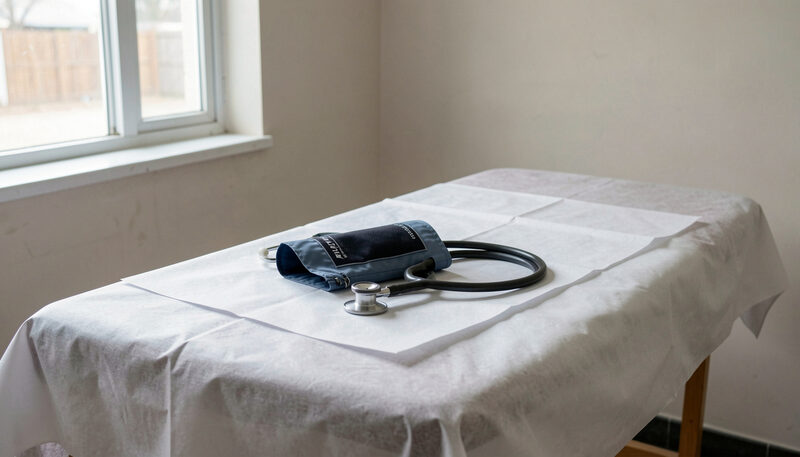
Follow an annual physical step by step: vitals, screenings by age, vaccines and the questions worth asking before the exam ends.
Vitals, screenings, vaccines: the appointment that is all prevention.

Family Medicine Basics
Using a Patient Portal Well
Use a patient portal well: what belongs in a message, what needs a call, and how after hours and urgent care choices differ in rural areas.
Message, call, or go now: sorting the three channels under pressure.